
- Turismo sostenible
- Yahya Mubaideen
La increíble Reserva Marina de Aqaba
Jordan’s Aqaba Marine Reserve has been inscribed on the UNESCO World Heritage List, under UNESCO’s natural criteria in recognition of its outstanding ecological processes, rich marine biodiversity, and its role in conserving threatened marine species and ecosystems.
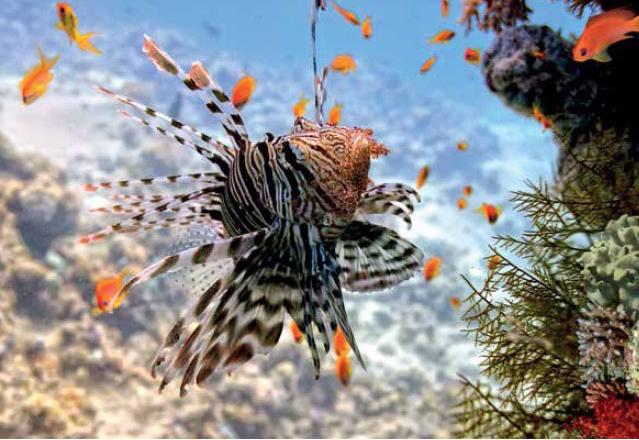
Home to more than 150 species of hard corals, over 500 fish species, around 1,000 mollusk species, and numerous endemic, rare, and threatened marine species, Its coral reefs are also among the world’s most heat-resilient, underscoring the global significance of the Gulf of Aqaba’s marine ecosystem, the achievement reinforces Jordan’s standing on the global map of natural heritage conservation.

«It positions Jordan at the center of one of the defining global challenges of the twenty-first century: climate change. While coral reefs around the world continue to suffer unprecedented bleaching events caused by rising sea temperatures and ocean acidification, the coral reefs of the northern Red Sea have demonstrated an extraordinary ability to withstand environmental stress. Scientists increasingly regard the reefs of Aqaba as among the most climate-resilient coral ecosystems on Earth, offering valuable insights into the future survival of tropical reefs worldwide.»

In the clear waters of the Red Sea
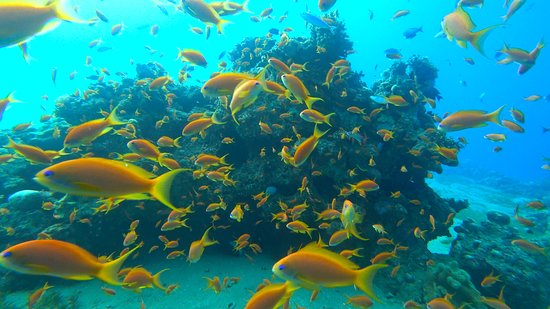
We can easily guess its rocky silhouette. The Gulf of Aqaba’s coral reef hosts a beautiful palette of blue and red which pleases the lover of underwater life. If you happen to be in Aqaba for diving, you will be able to see an extraordinary marine diversity! Indeed, despite the relatively small water body in the Gulf of Aqaba, Over 13 Km of the 27 Km of coastline is occupied by fringing reefs coral and reef flats that extend to 150m wide.
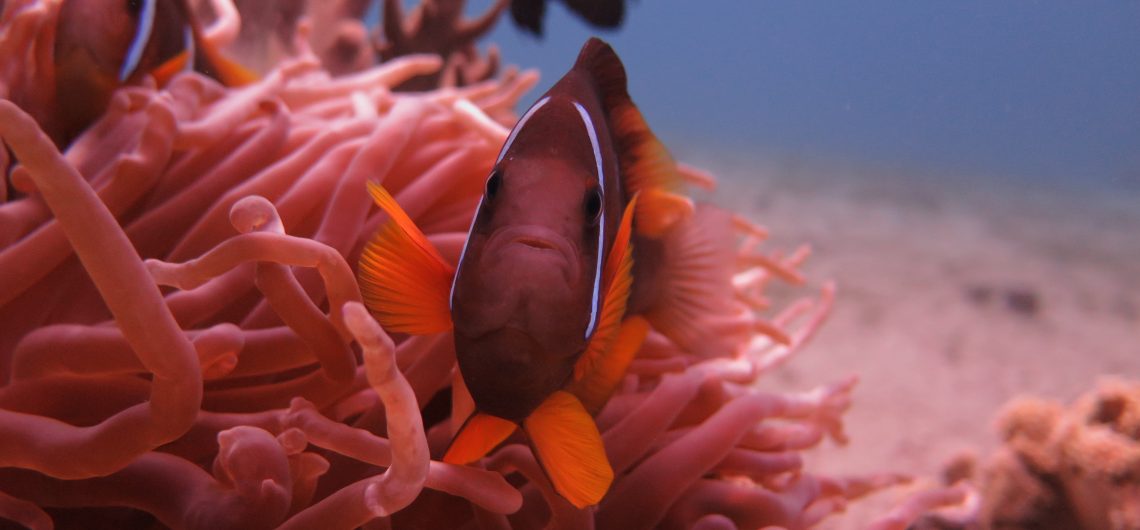
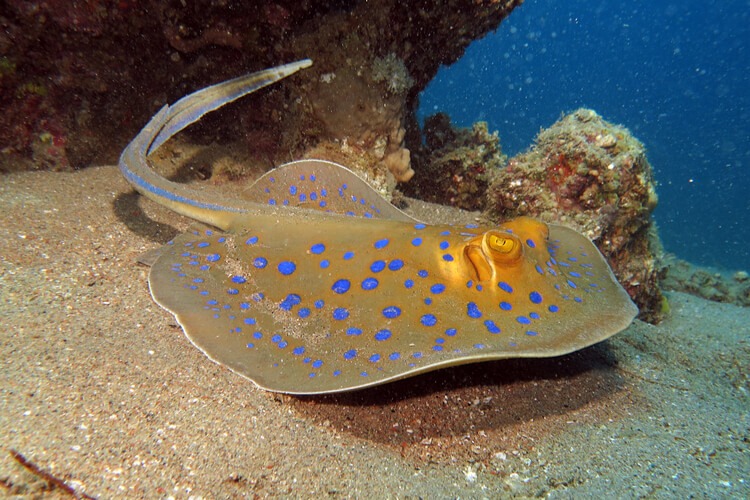
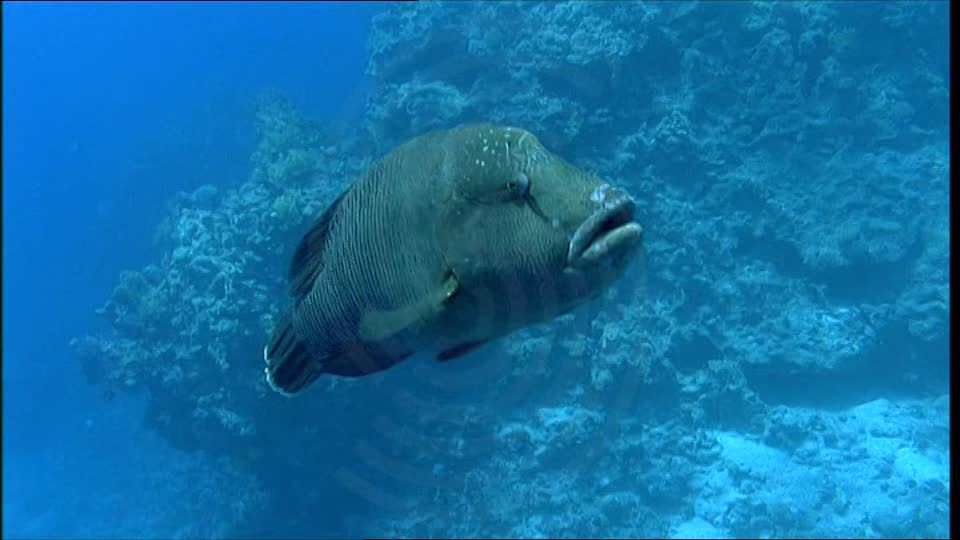
Beyond that, Larger species can be observed like rays and napoleons. Sharks and Dolphins are rarer as they never come close to the coast unless to search for food, the youngest ones like to swim close to the surface, enjoying hot water. So if you travel along Jordan with good fortune you might see one!
Otherwise, cuttlefish, squid, and octopi are well represented, particularly at night.
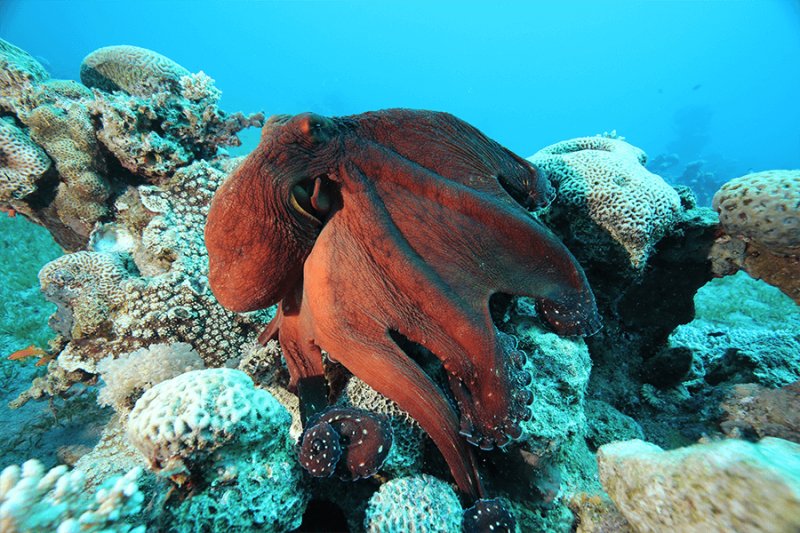
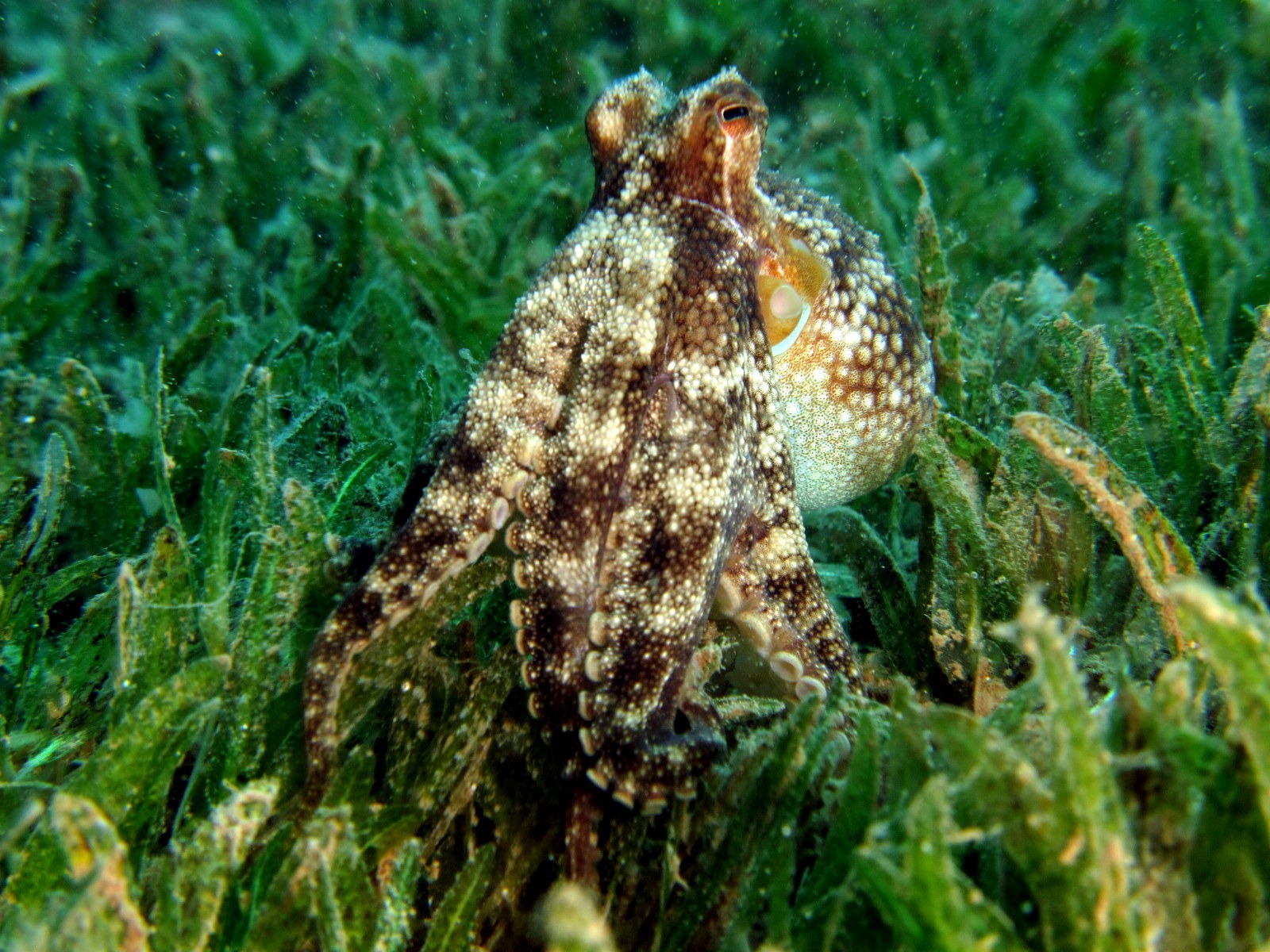
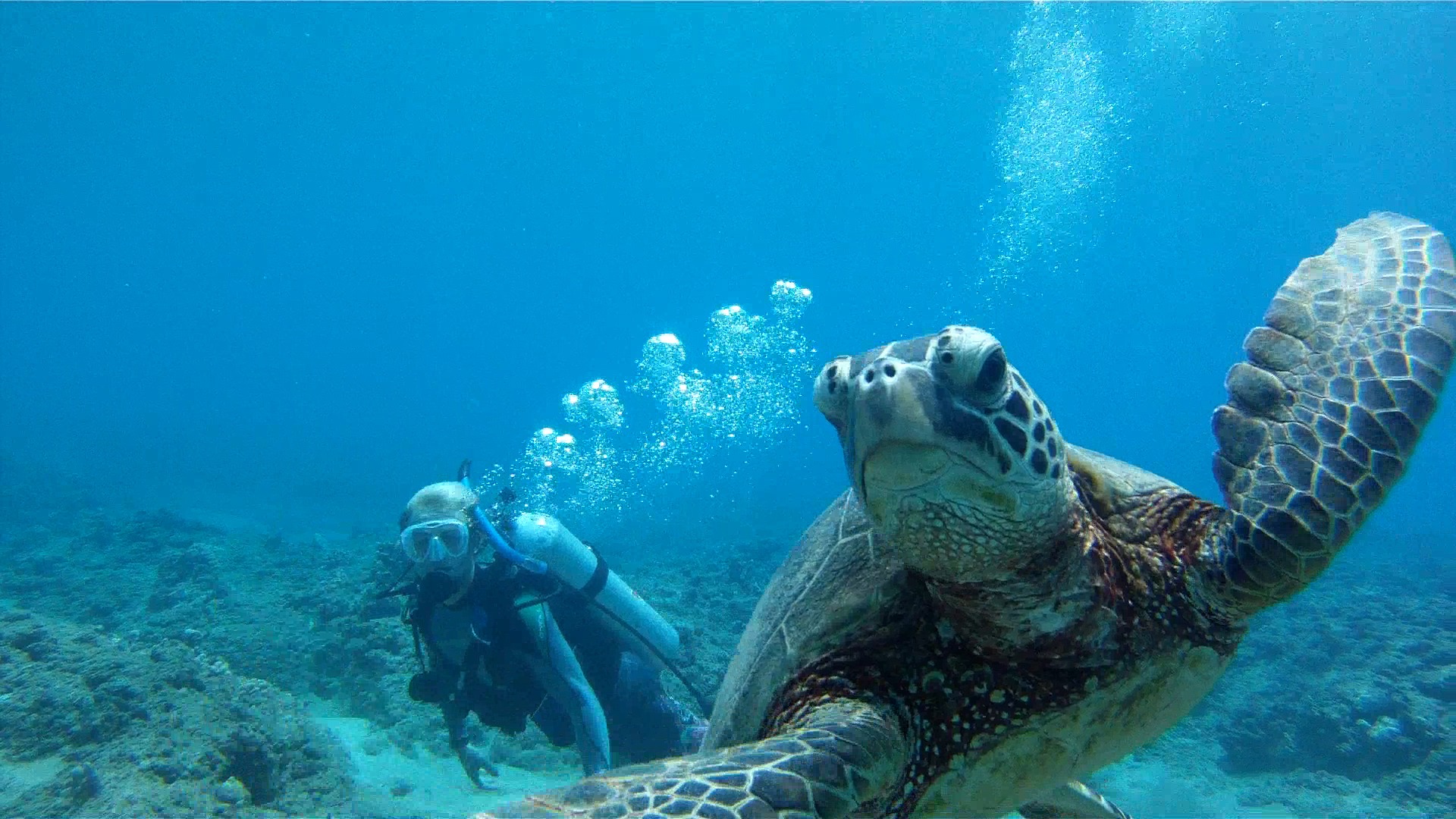
Diving in the middle of this ecosystem is pretty cool, particularly since it’s easily accessible from the coast. Once you got a chance to share a moment with a huge green turtle looking to eat seaweeds. Observing it would definitely be a highlight moment as a diver.
As you may know, the Red Sea is renowned worldwide as a scuba diver’s paradise overflowing with Marine Life. And despite the relatively small water body at the Gulf of Aqaba, if you happen to go snorkeling or diving, you will enjoy an extraordinary marine diversity. which make the city of Aqaba itself is a natural haven for scuba diving, snorkeling or scientific exploration.
The shipwrecks, a whole underwater ecosystem
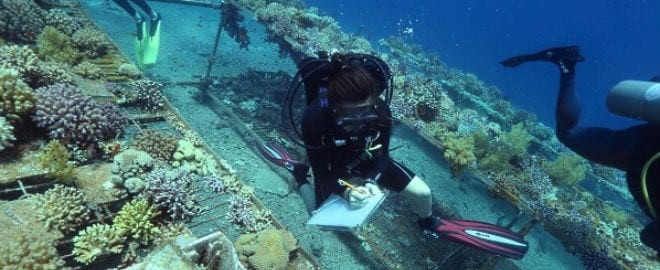
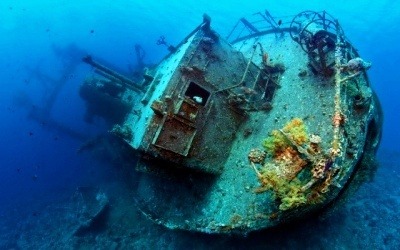
Scuttling boats is an extensive practice around the world. The reason is that wrecks are favorite places for coral development. According to the exact conditions, orientation, and material, the type of coral on shipwrecks can be different. For example, on the deck, we mostly find soft corals. Alternatively, on the steel structures, calcareous algae form, giving the corals a base to develop. Thus, after years, a coral reef appears offering a new marine life habitat. The Cedar Pride Wreck has over 20 years of coral growth on its surfaces, particularly on it’s deck where the soft coral grow in a fantastic way.
One of the most famous dive sites in Jordan is the Cedar Pride shipwreck in Aqaba’s Gulf. Since it’s one of the few wrecks easily accessible from the coast, most of the divers who crossed by Aqaba come to explore this underwater vestige. From 16m to 27m deep, the shipwreck is also suitable for the open-water divers who are accompanied by a Diving Master.
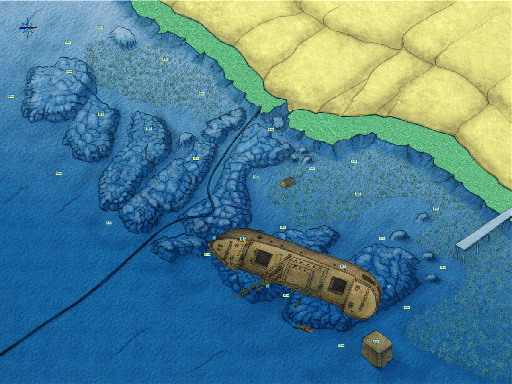
The Cedar Pride was deliberately sunk for divers years ago, in 1985. But before becoming the most famous dive attraction in Jordan, the ship was a proud Spanish cargo vessel. 74 meters long and weighing 1,161 tons. Originally constructed in Gijon, Spain. The ship finally received its last appellation when it was bought by the Lebanese Cedar Pride shipping company.
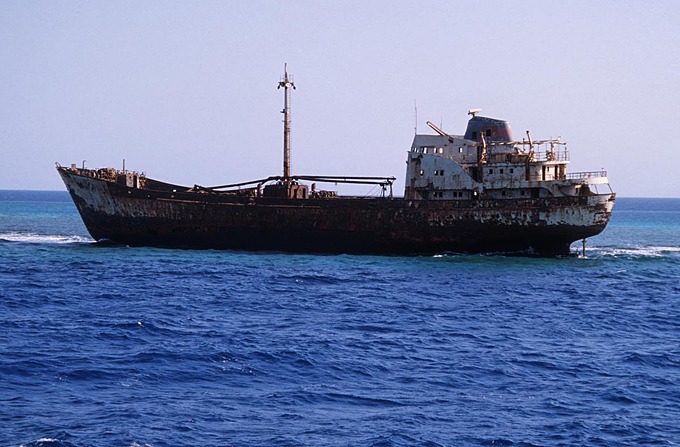
In August of 1982, when the ship arrived at the Jordanian port of Aqaba, no one knew that this place would be its last journey. While at anchor and in ballast, a fire spread rapidly through its engine room and accommodation area. Two of the crew lost their lives. The damage from the ensuing blaze left the ship unable to set sail.
Since no one accepted the responsibility for the ship’s reparation, for the next three years it remained floating and void of purpose – laying dormant and abandoned. Until the King of Jordan, himself a keen diver, took an interest in the vessel. As its hull was still intact, he hatched a plan to sink the ship in order to create a diver attraction and a refuge for the sea’s biodiversity.
The Aqaba Gulf reef, a necessary component to the marine biodiversity
Thanks to the coral reef in the Gulf of Aqaba which plays a major role in supporting high levels of biological diversity as well as providing key ecosystem goods and services such as habitat for fisheries, coastal protection, and tourism recreation. Beyond that, the shoreline hosts an ancient coral reef where over than 151 (reef-building) coral species and more than 120 species of soft coral are recorded.
Unfortunately, everywhere on the globe, the coral has been strongly impacted by global warming. Like the Great Barrier Reef in Australia which gets blank before the extinction, abandoned by the seaweeds necessary for their survival. Marine scientists record approximately more than half of these classified sites have disappeared in just a few years. Threatened all over the world, some species found in the Red Sea a refuge now unique. Vigorous here, coral reefs have become vulnerable everywhere else.
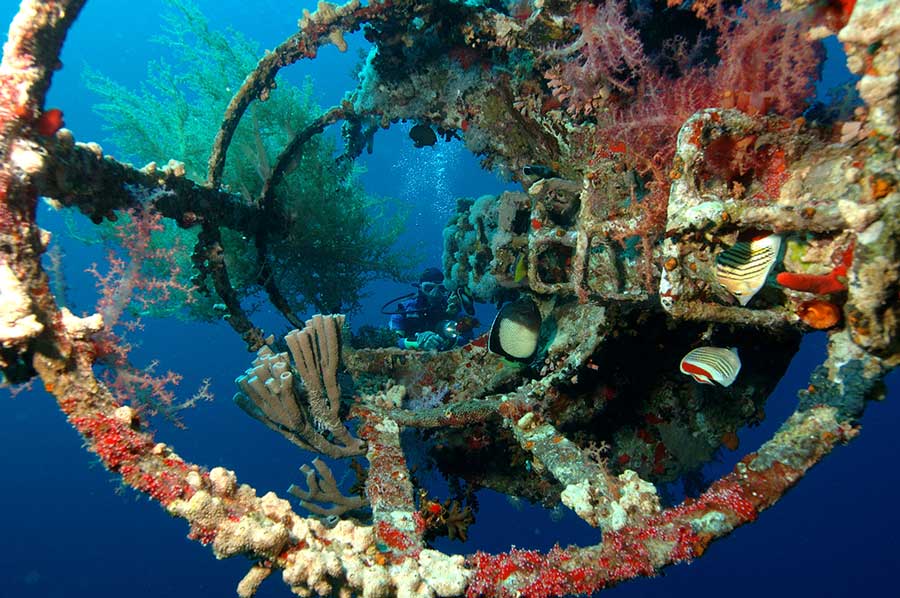
«Exceptional resistance; After noticing that the corals of the Red Sea were surprisingly resistant to the increasing global temperature, scientists are trying to solve the mystery of this unusual resilience. The main theory supposes that for a long time they were living in the south of the Red Sea in the warmest waters of the planet before migrating to more temperate waters in the north. Their genetic heritage would have kept the memory of this environment.»
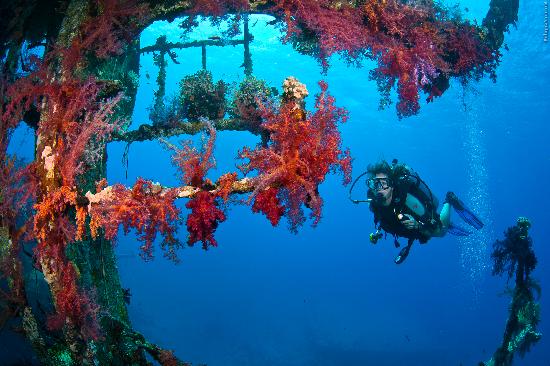
A Strong fringing coral reef that became a refuge for Marine Life!
Since the Jordanian coastline is considered one of the most dynamic and diverse of all natural ecosystems, with about 500 species of fish, which is considered a rich habitat with high fish diversity.
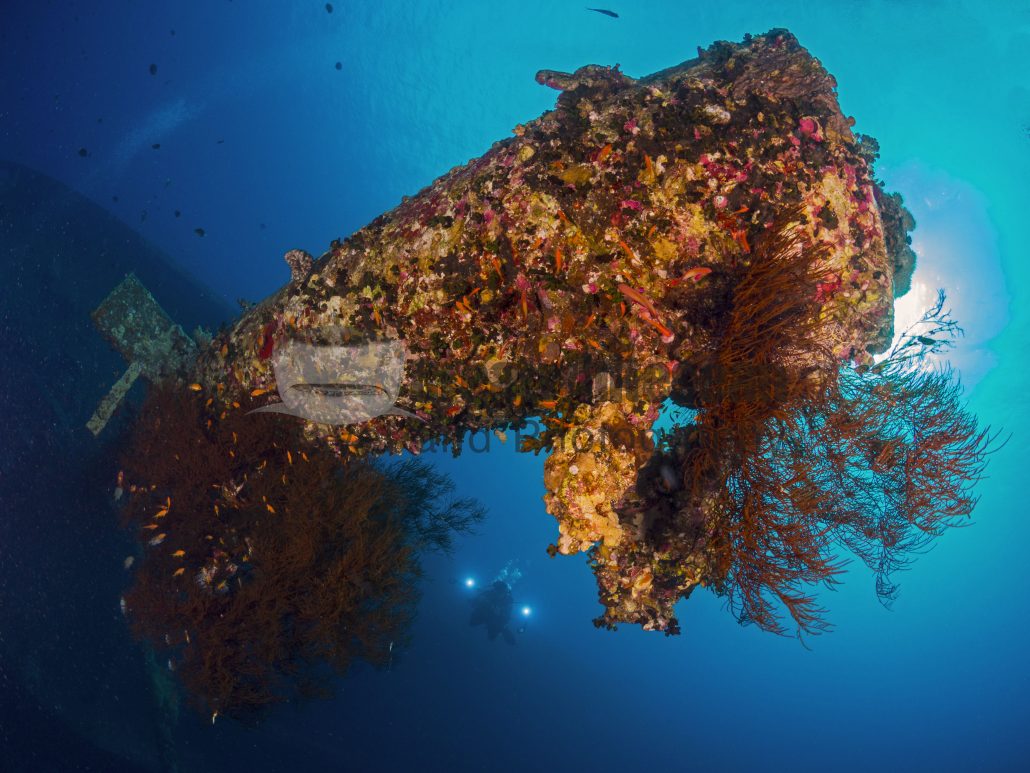
Any passionate scuba diver, has the chance to explore the Cedar Pride Boat, moving through its compartments is an exciting experience. For any diver, seeing this huge silhouette getting bigger as you get closer is an experience similar to seeing Petra for the first time, penetrated by rays of sunshine that disappear in the darkness of the underwater.