
- Miscellaneous
- Mohammad
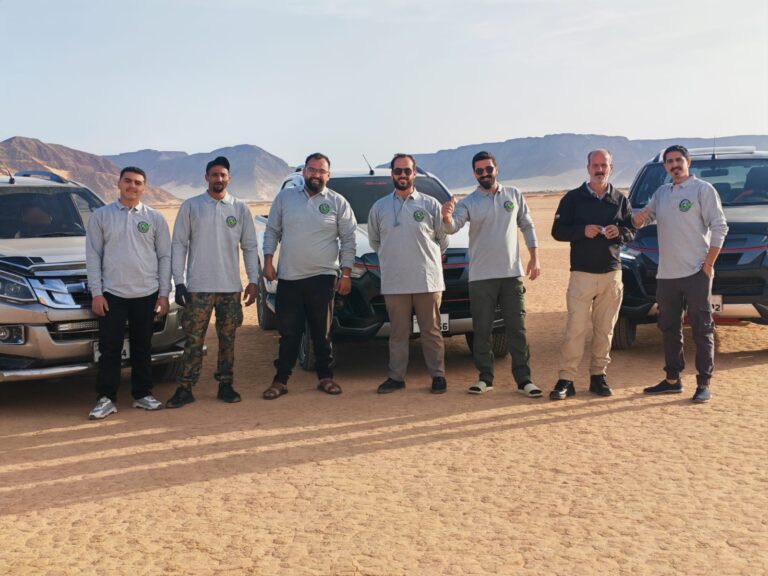
Leaving Wadi Rum As We Found It: Waste Management at MDS 120 Jordan 2026
When the last runners of MDS 120 Jordan 2026 crossed the finish line, our work in Wadi Rum was only half done. The desert had hosted 516 runners, their support crews, a full camp and several race stages. Our promise was simple: leave Wadi Rum exactly as we found it.
Together with our local partner Safe & Clean for Environmental Services, we ran a dedicated waste management programme across every route, camp and event site, from the first day of setup to the final sweep after the race.
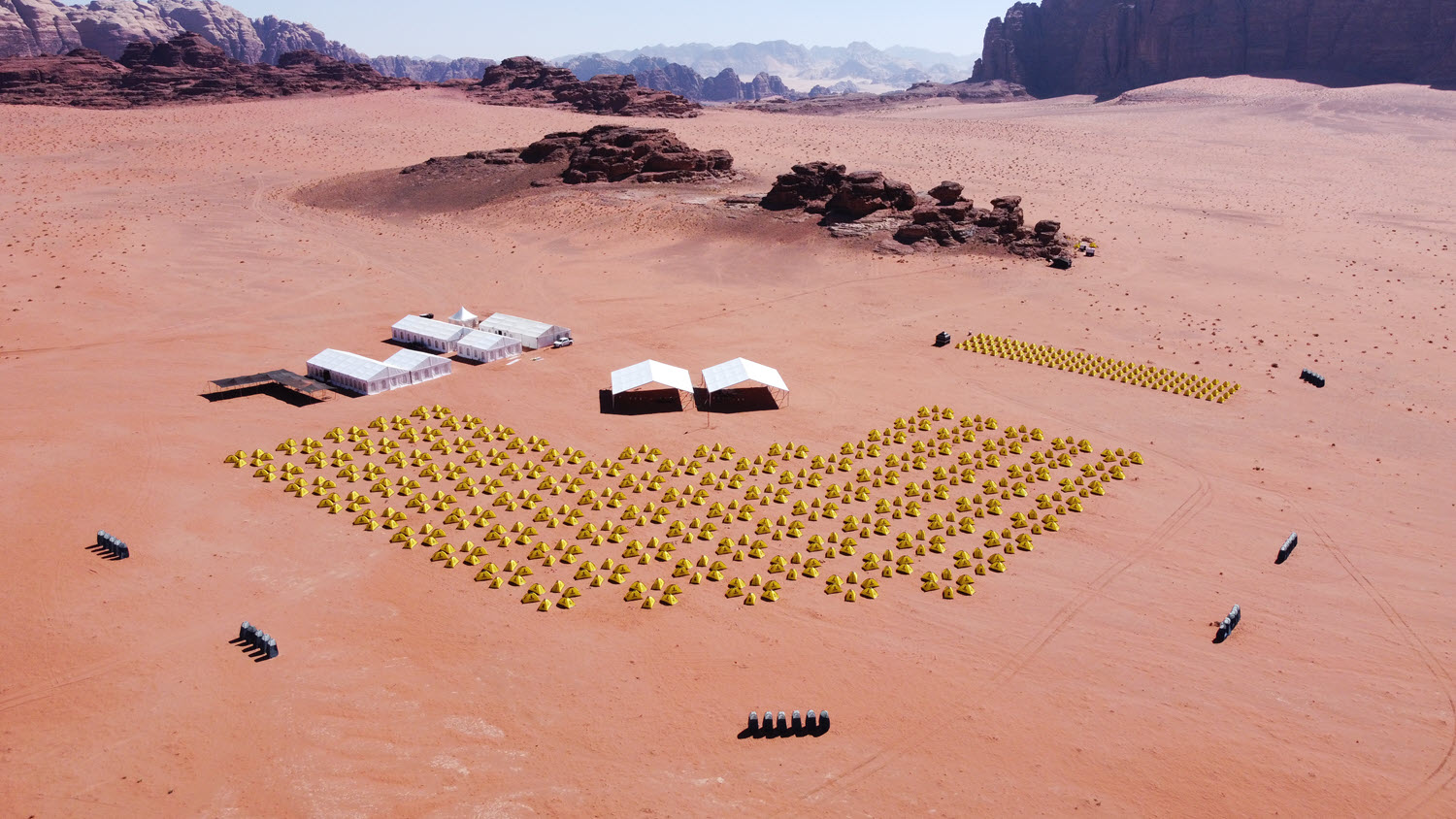
During the race: collect, sort, move out daily
Waste in the desert doesn’t wait. Our approach was built around daily collection, so nothing was left to blow across the sand overnight.
- Collection points at the start and finish areas, the main camp and key points along the race routes.
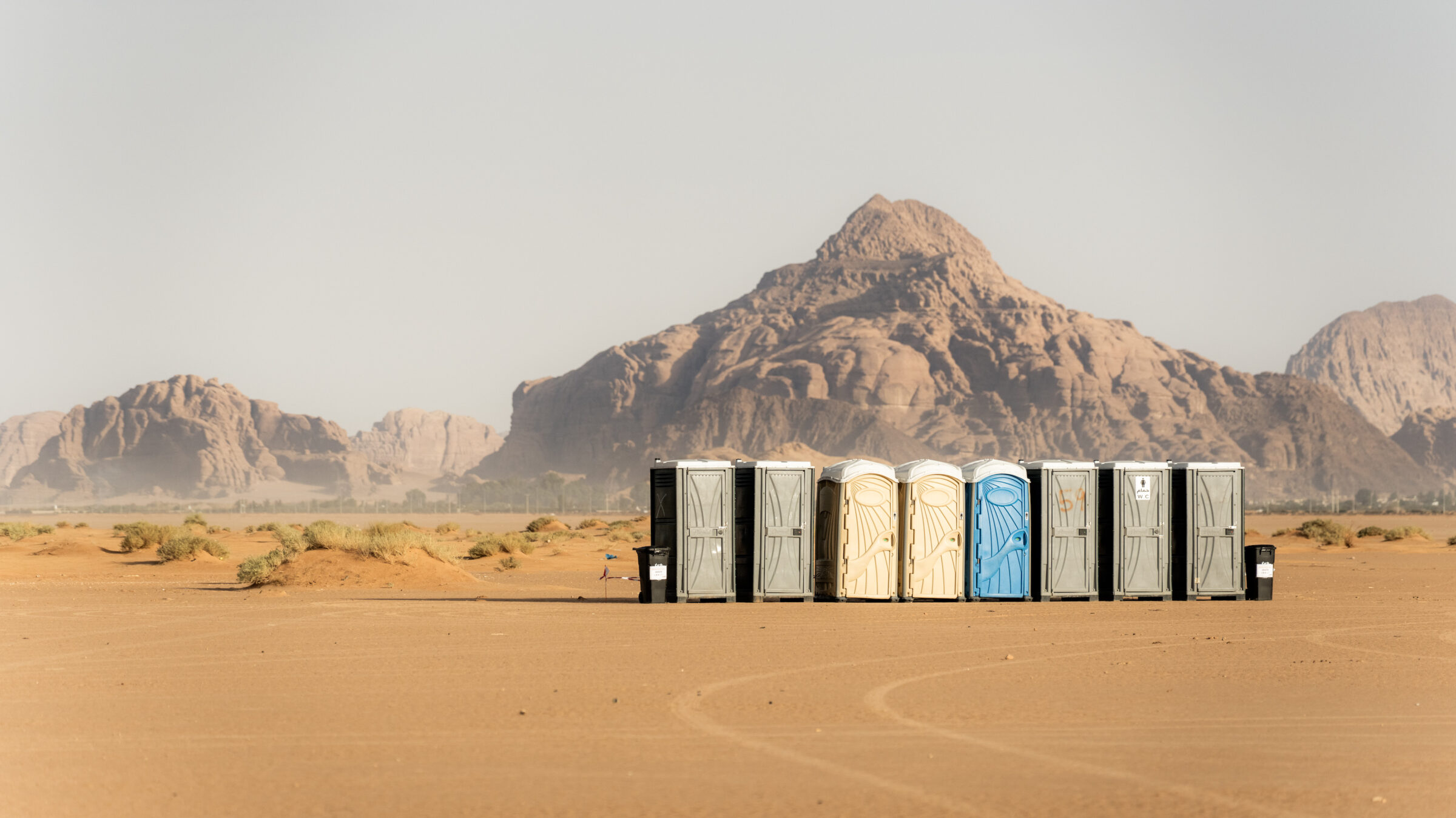
- Sorting at source into three streams: solid waste (general and recyclable), biological waste from the sanitary facilities, and medical waste from the first-aid stations, which was handled separately.
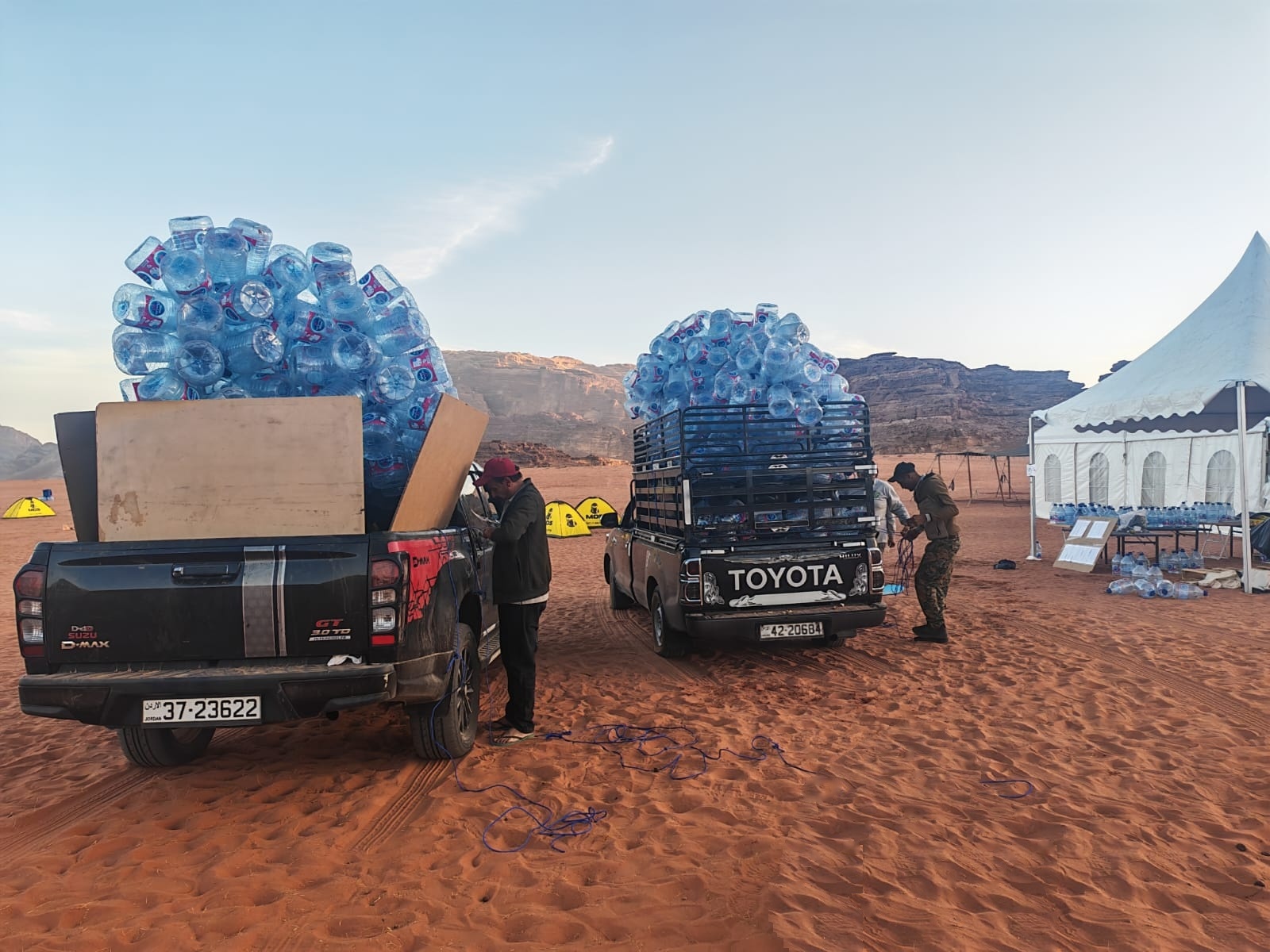
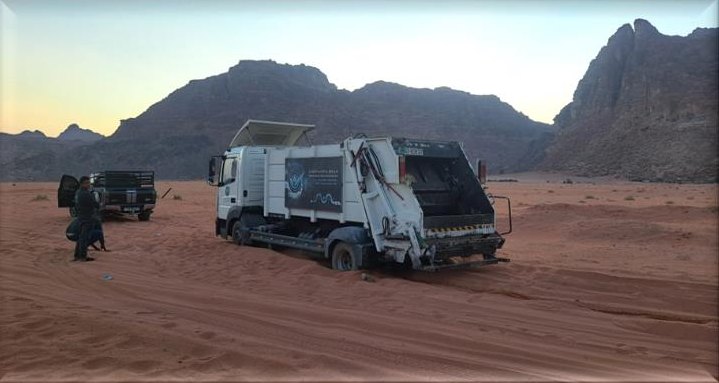
- A dedicated fleet of four pick-up trucks covering the routes and camps, plus one compactor truck carrying consolidated waste to the designated handling area.
- Daily transport of everything collected out of the protected area to proper treatment and recycling facilities.
The numbers
Around 6.25 tonnes of waste was collected and properly handled, and about 1.05 tonnes of it was sent for recycling.
| Measure | Result |
|---|---|
| Participants | 516 |
| Total waste collected and handled | ≈ 6.25 t |
| Sent for recycling (plastic, paper, cardboard, metals) | ≈ 1.05 t (17%) |
| Biological waste from sanitary facilities | ≈ 3.50 t |
| Medical waste, handled separately | ≈ 0.19 t |
| Average waste per participant | ≈ 12 kg |
| Vehicles in the waste fleet | 5 |
Plastic was the largest recyclable stream, mostly the large water bottles that keep runners going through the desert heat.
After the race: giving the desert back
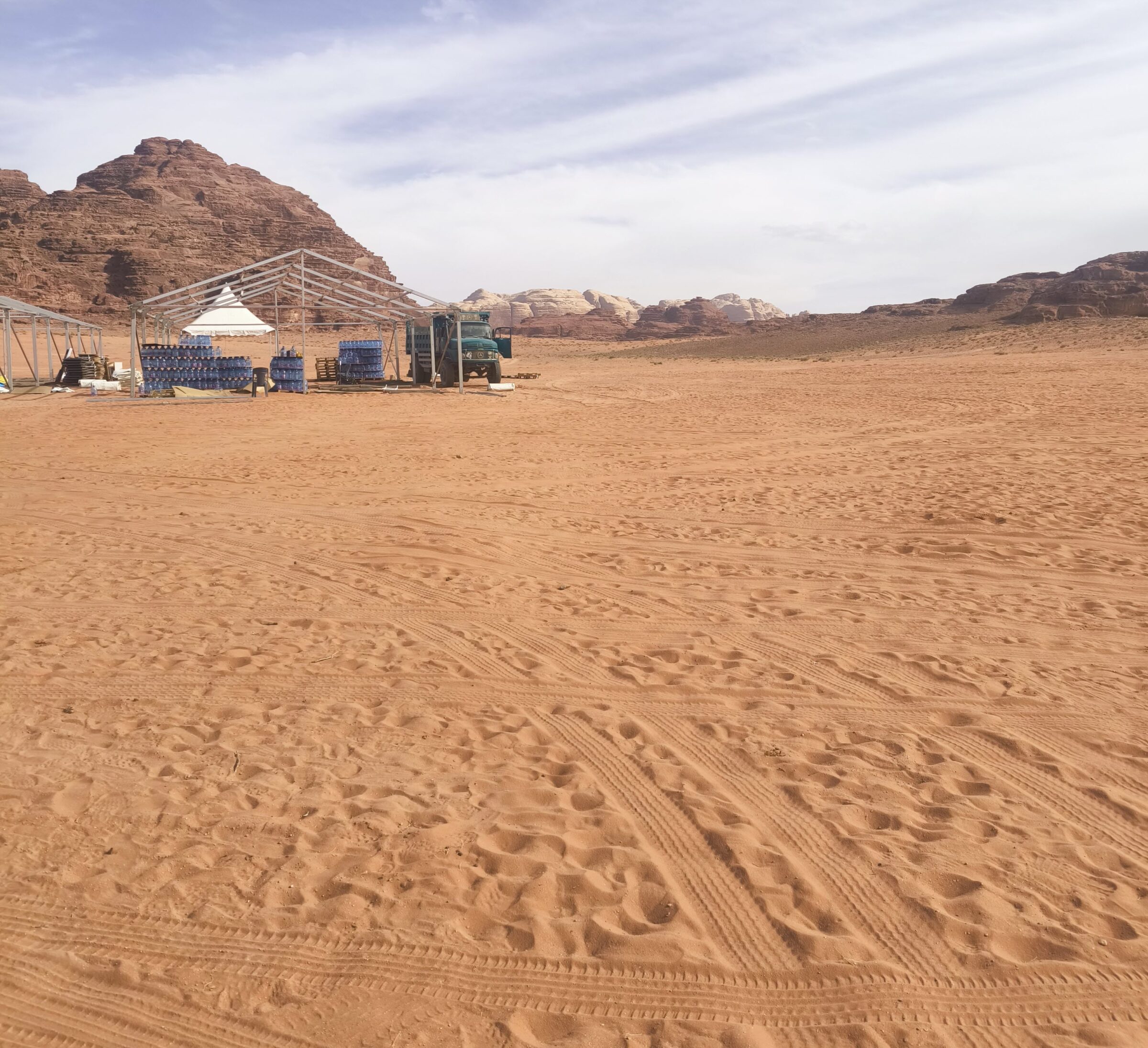
Once the runners left, the clean-up crews moved in. Tents came down, structures were dismantled, and every route and site was walked and swept.
- All remaining waste was collected and removed from the routes and event sites.
- Everything collected was sorted and sent for proper treatment, recycling or disposal.
- Each site was restored to its natural condition.
- A final check confirmed that no waste was left behind at any location.
When we drove out of Wadi Rum, the only marks left on the sand were tyre tracks that the next desert wind would erase. No litter, no leftover equipment, no trace.
What we learned, and what comes next
We are proud that nothing was left behind, but we also know there is room to do better. Most of the waste still ended up in landfill, largely the biological waste from sanitary facilities, which has limited treatment options in the region.
For the next edition, we want to:
- Increase the share of waste that is recycled, starting with better sorting at the camp.
- Work with organisers on reducing single-use plastic before it reaches the desert.
- Explore better treatment options for biological waste with our local partners.
- Keep measuring and reporting our results openly, year after year.
For the full story of the race itself, from the stages in Wadi Rum to the closing ceremony at the Dead Sea, read Marathon des Sables Jordan 2026: Looking Back at Our 6th Edition in Wadi Rum.
Thank you
Wadi Rum is a protected area, a UNESCO World Heritage Site and home to the communities who have cared for it for generations. Responsible tourism means treating it that way every time we work there.
A big thank you to the Safe & Clean team for their hard work on the ground, to the MDS 120 organisers, and to every runner and crew member who used the bins and respected the desert. As a Travelife Certified operator, this is the standard we hold ourselves to on every trip and every event we deliver in Jordan.