
- Amman
- raisa
10 Best Activities to Do in Amman: From Ancient Ruins to Local Experiences
Most travelers arrive in Jordan through Amman’s Queen Alia International Airport (AMM) or Amman City International Airport (ADJ) and treat it as a quick gateway to Petra or Wadi Rum. However, Jordan’s capital is a fascinating study in contrasts and whether you are looking to dive deep into Jordanian history or experience everyday life through cooking, local craft tastings, regional dining, and artisan markets, we are here to tell you about the 10 best activities to do in Amman.
1.Explore Historic Downtown: Citadel, Roman Theatre & Al-Balad
Let’s start with the classics.
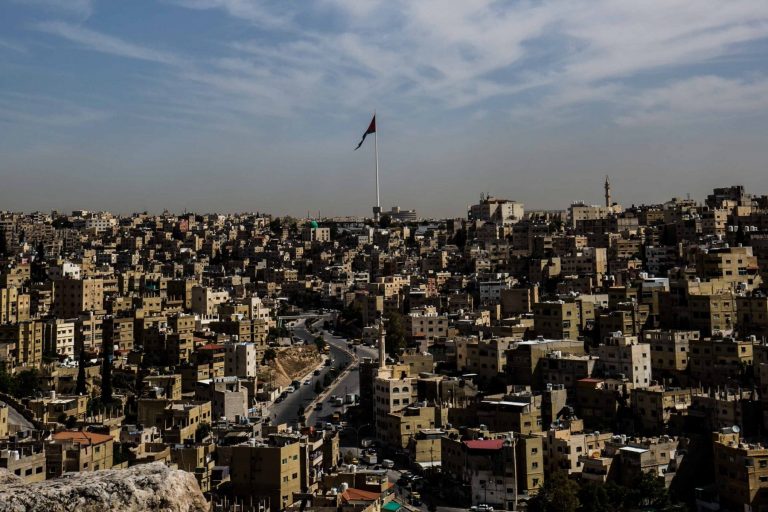
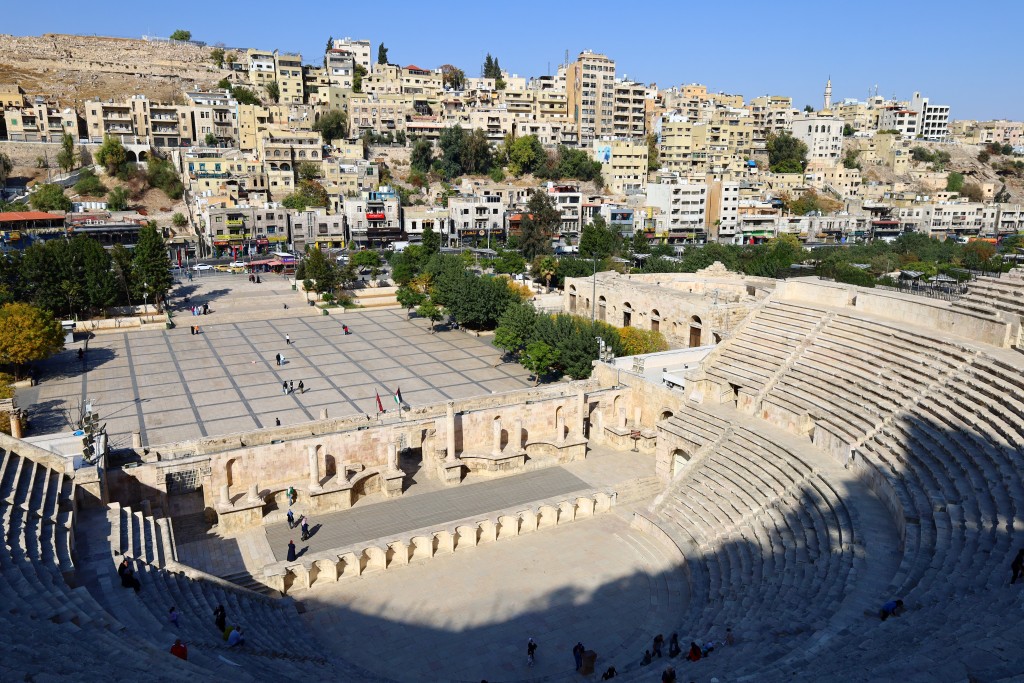
Perched on the highest hill in the city, is the Amman Citadel. The first thing you will notice is the fantastic panoramic view of the capital’s sprawling white buildings, winding roads and the Hashemite Plaza, where the Roman Theater is located.
You can Walk downhill toward the 2nd-century Roman Theater, a 6,000-seat amphitheater carved directly into the hillside.
Then it’s time to reward yourself tasting delicious street food of Al-Balad. Get a warm sample falafel at Hashem Restaurant, followed by desert – Knafeh from Habiba or Bekdash Arabic ice cream. Pro tip: Knafeh and ice cream together are HEAVEN.
Highlights:
- Archaeological ruins spanning the Bronze Age, Roman, and early Islamic periods.
- Sweeping panoramic views across Amman’s hilly white-stone skyline.
- Street food stops and bustling traditional markets.
2.Taste Culinary History at Jordan Heritage Restaurant
Yes, we take food very seriously here. So let’s stay in the subject.
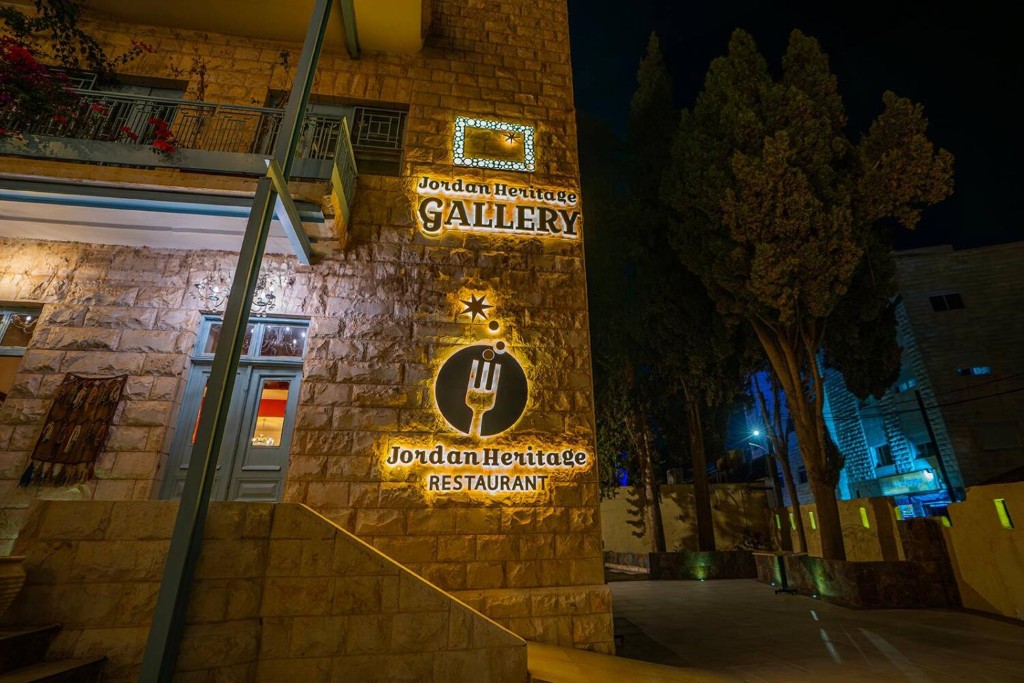
Mansaf is the Jordanian National Dish and a must-try. However, when visiting Jordan Heritage Restaurant you will deep dive into the country’s diverse culinary traditions across its various regions.
The restaurant spent years researching, documenting, and preserving authentic recipes from local communities – from northern agricultural towns to southern Bedouin tribes. Dining here is an educational journey through Jordan’s rich heritage, offering traditional dishes that are rarely served in standard commercial restaurants.
Highlights:
- Rare regional dishes sourced from local culinary research across Jordan.
- Rich storytelling accompanying each menu item explaining its historical origins.
- Warm, authentic hospitality set in a cozy, heritage-inspired atmosphere.
3.Learn Traditional Home Cooking at Beit Sitti or The Jordanian Kitchen
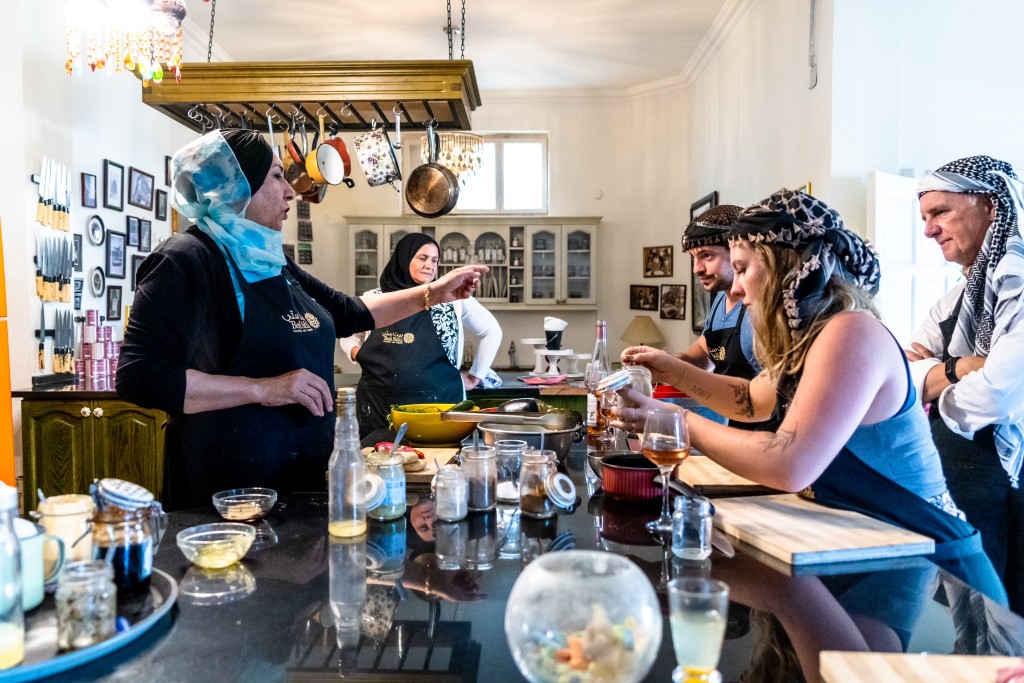
What about learning how to cook the delicious food you have tried so far? Preparing a meal guided by local hosts offers a rich window into Jordanian hospitality.
Two exceptional spots stand out for interactive cooking classes:
- Beit Sitti: Set in a historic house in Weibdeh, this female-run experience guides guests through prepping a traditional multi-course meal – such as Maqluba or Mutabbal – enjoyed on a scenic terrace overlooking the hills.
- The Jordanian Kitchen: A fantastic alternative offering immersive hands-on workshops focused on home-style recipes, local spice profiles, and the cultural stories behind everyday Levantine dishes.
Highlights:
- Hands-on instruction in classic Jordanian dishes.
- Cultural storytelling behind Levantine culinary habits and ingredients.
- Enjoying a fresh multi-course feast created with your own hands.
4.Experience Local Craft Tastings: Volcanic Wines & Carakale
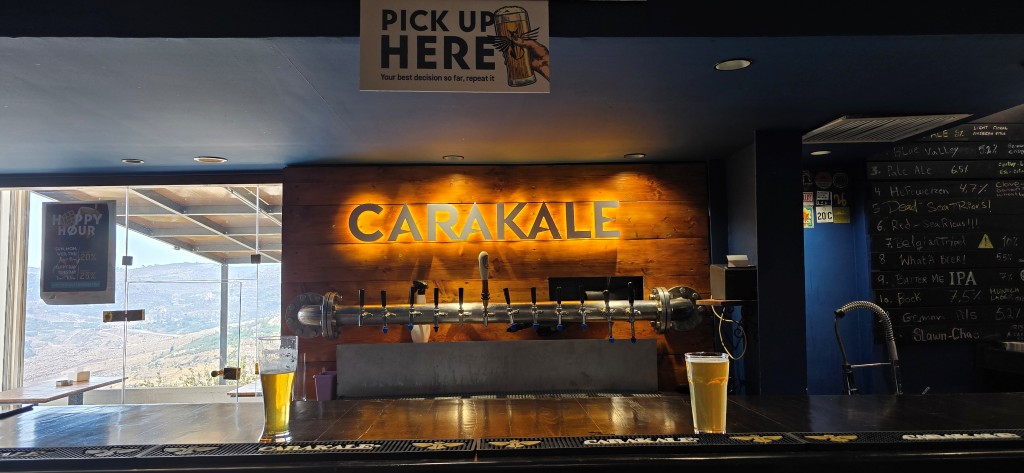
Turns out we are not only good at making food but also drinks! Jordan’s craft beverage movement combines ancient agricultural traditions with modern innovation.
- Volcanic & Desert Wine Tastings: Jordan’s winemaking tradition dates back millennia, supported by nutrient-dense volcanic soil in the northern highlands and basalt plains. Local producers like Jordan River Wines and Zumot Winery craft distinct organic wines using grapes grown in unique desert microclimates.
- Carakale Tasting Room: Founded as Jordan’s pioneer microbrewery, Carakale operates a scenic tasting room tucked away in the hills of Fuheis (just on the western edge of Amman). Perched over the valley, it offers fresh seasonal craft brews infused with local ingredients like chamomile, coriander, and local dates, alongside panoramic sunset views over the canyon.
Highlights:
- Tasting flights featuring locally produced volcanic and desert wines.
- Enjoying local craft brews at the Carakale Tasting Room overlooking Fuheis Valley.
- Insight into Jordan’s ancient viticulture and growing modern beverage scene.
5.Support Local Artisans at the Iraq Al-Amir Women’s Cooperative
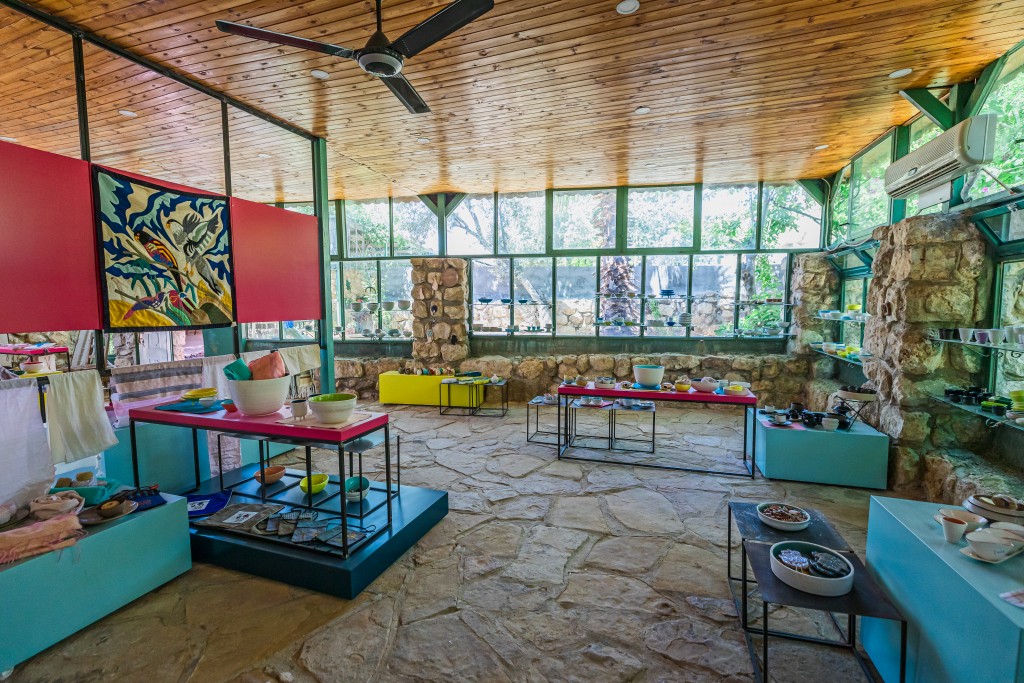
Beyond food and beverage, there are other ways to experience what the local community has to offer.
Located in the valley of Wadi Al-Seir on the outskirts of Amman, the Iraq Al Amir Ladies Association is a community project focused on empowering local women through handcraft preservation.
Travelers can visit the cooperative to watch or participate in workshops covering handmade paper production, pottery molding, olive oil soap making, and traditional weaving. It is an ideal spot to find meaningful, ethically made souvenirs while directly supporting micro-entrepreneurship in rural communities.
Highlights:
- Interactive artisan workshops in soap making, ceramics, and paper craft.
- Direct support of local rural women entrepreneurs.
- Nearby access to the Hellenistic ruins of Qasr al-Adb.
6.Stroll Bohemian Jabal Al-Weibdeh & Darat Al-Funun
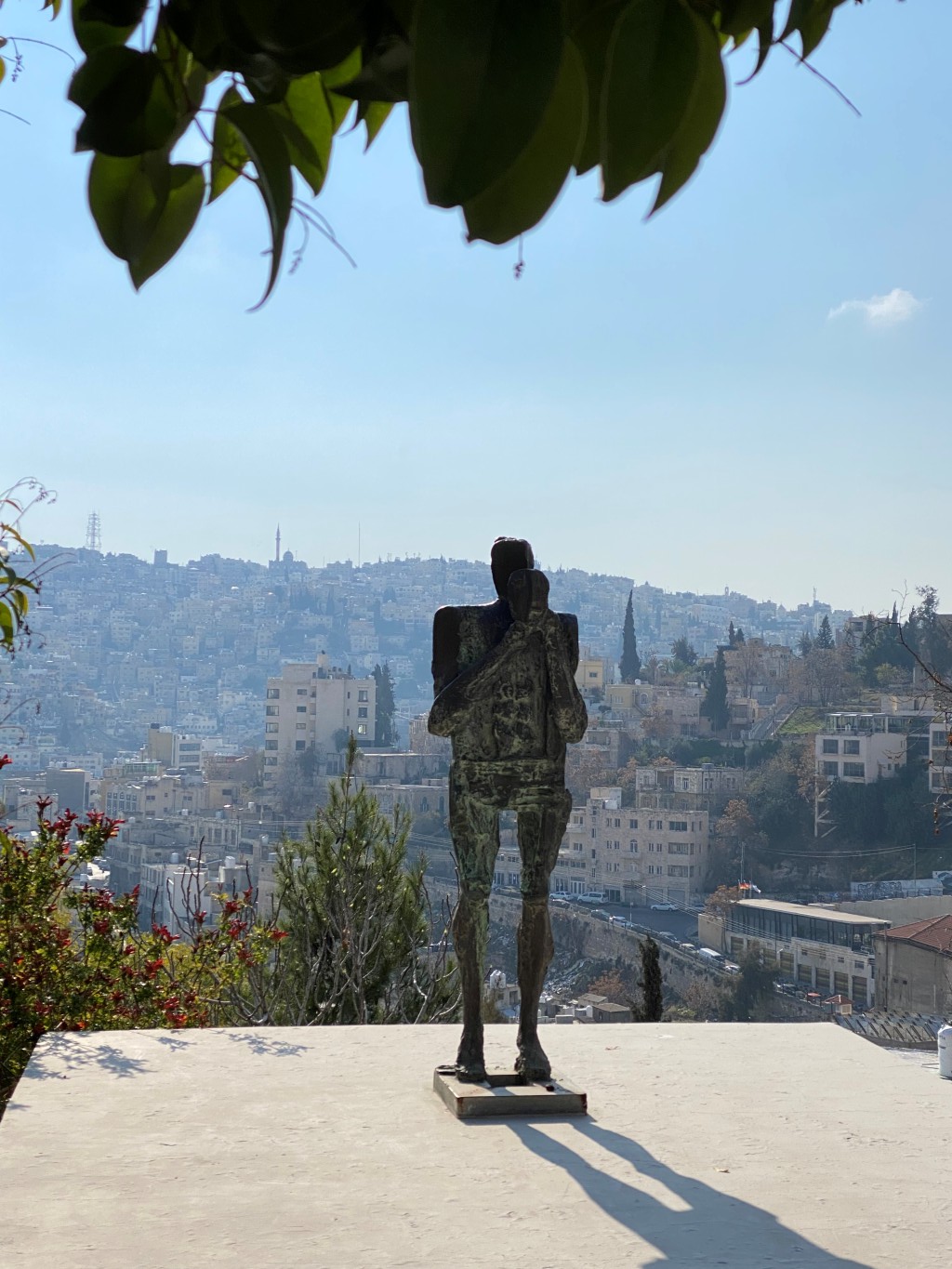
Jabal Al Lweibdeh is one of Amman’s oldest residential hilltops, now recognized as the city’s creative heart. Characterized by tree-lined streets and stone houses, it is best explored slowly on foot.
As you wander between independent coffee roasters, vinyl record shops, and community art spaces, make sure you stop at Darat al Funun – The Khalid Shoman Foundation. Housed across a series of restored 1920s villas surrounded by quiet gardens and 6th-century Byzantine ruins, it is a sanctuary for contemporary Arab art exhibitions and quiet reflection.
Highlights:
- Pedestrian-friendly streets filled with leafy shade, murals, and local bakeries.
- Contemporary Arab art installations and historic villa architecture at Darat Al-Funun.
- Relaxed outdoor cafés perfect for people-watching or resting between walks.
7.Shop Local Open-Air Bazaars & Pop-Up Markets
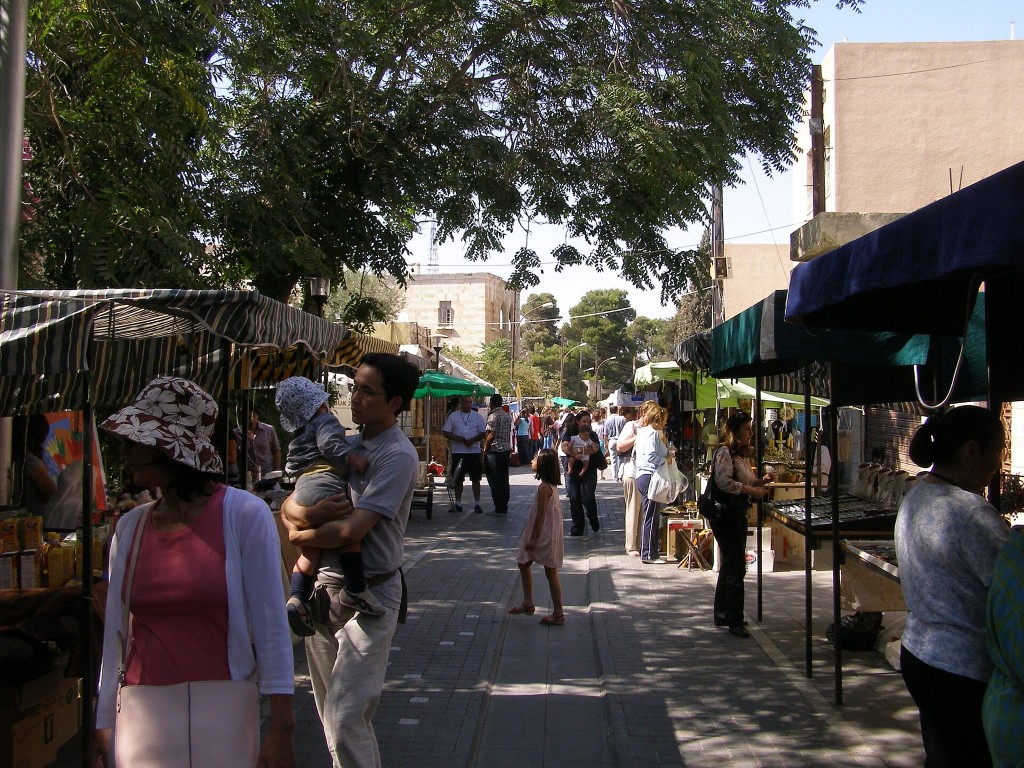
Amman also hosts seasonal and pop-up artisan markets that highlight local makers, designers, and small-batch food producers.
During the summer months, Souk Jara operates off Rainbow Street every Fridays, featuring handmade crafts, antiques, live music, and street snacks.
Throughout the year, community pop-up markets across the city, especially in Jabal Al Weibdeh, featuring young Jordanian designers, vintage collectors, and local culinary artisans. Follow us on updates!
Highlights:
- One-of-a-kind art, upcycled goods, and handcrafted jewelry.
- Vibrant outdoor atmosphere with live music and local snacks.
- Direct interactions with young Jordanian entrepreneurs and artists.
8.Visit the Blue-Domed King Abdullah I Mosque
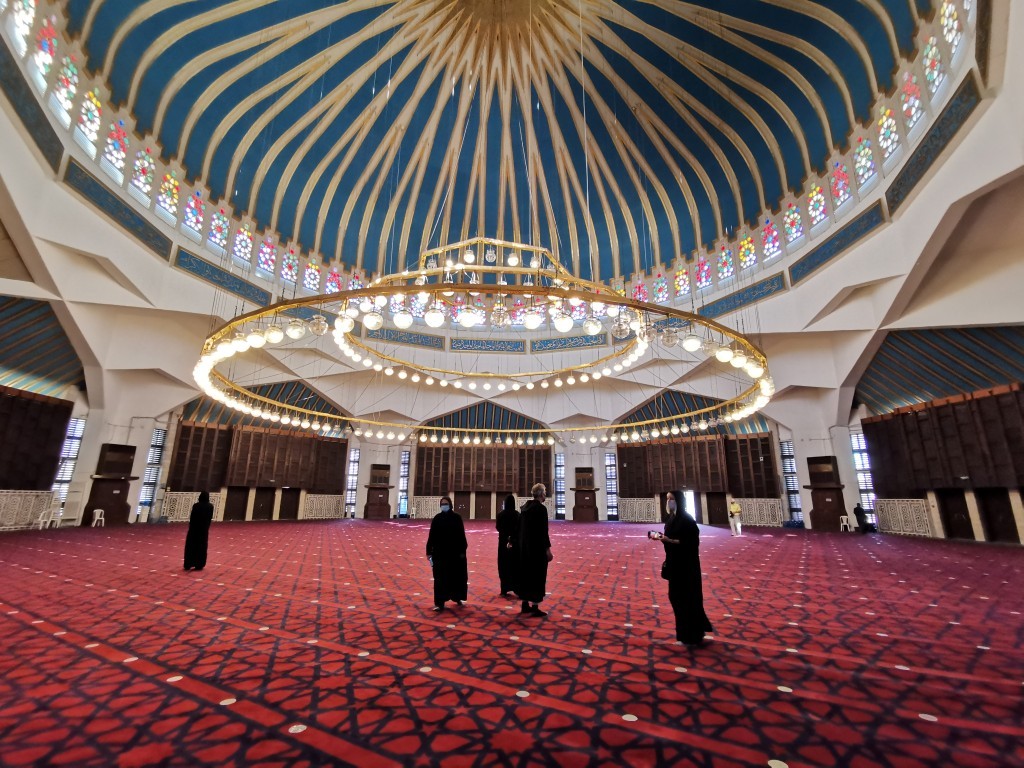
With its vivid blue mosaic dome, the King Abdullah I Mosque is one of the capital’s most recognizable landmarks. Built in the 1980s, the mosque can accommodate thousands of worshippers inside its central hall.
It is one of the primary mosques in Amman open to non-Muslim visitors outside of prayer times. Inside, the octagonal prayer hall features a multi-tiered chandelier and intricate calligraphic geometry.
Highlights:
- Distinctive blue mosaic dome visible across the city skyline.
- Guided walk-throughs explaining Islamic art, architecture, and traditions.
- Small on-site museum showcasing Islamic relics and photography.
9.Take a Self-Guided Street Art and Staircase Walk
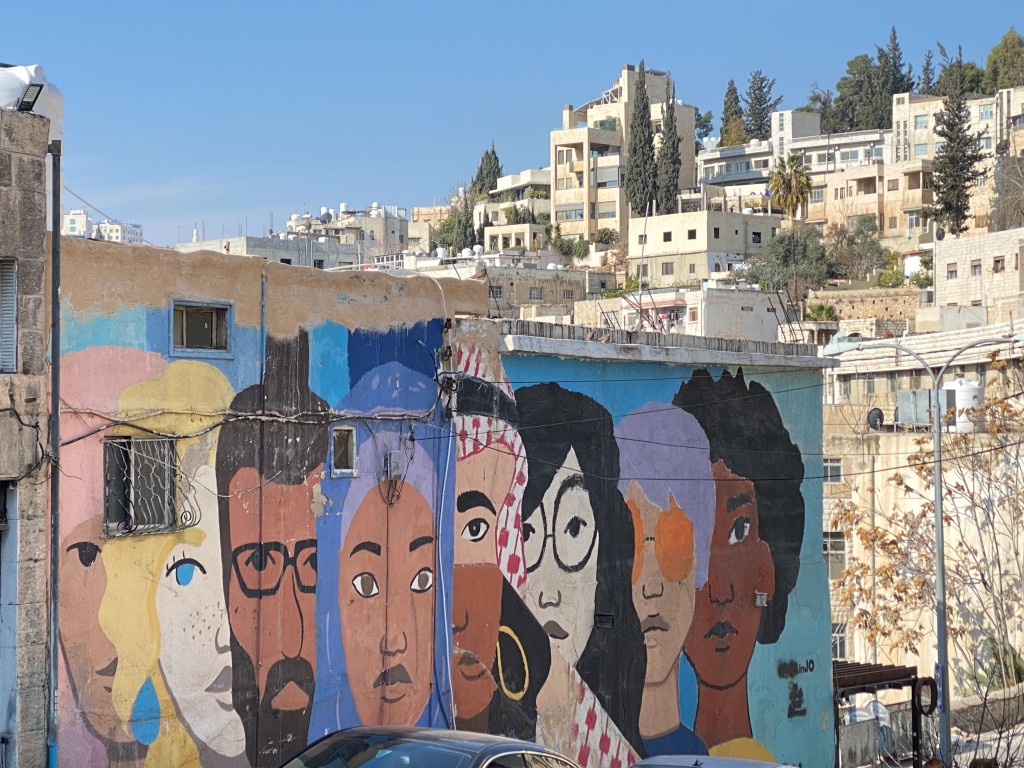
Amman’s topography is defined by its steep hills (Jabals), connected by hundreds of public staircases. Over recent years, local art initiatives have transformed many of these staircases and building facades into vibrant canvases breaking the pattern of the white building.
Walking between Jabal Al Weibdeh, Rainbow Street and Downtown doubles as an urban hike and an informal contemporary street art tour.
Highlights:
- Large-scale murals by prominent local and international muralists.
- Painted public staircases connecting hilltop neighborhoods.
- Great urban viewpoints between street art stops.
10.Uncover Millenniums of Heritage at The Jordan Museum
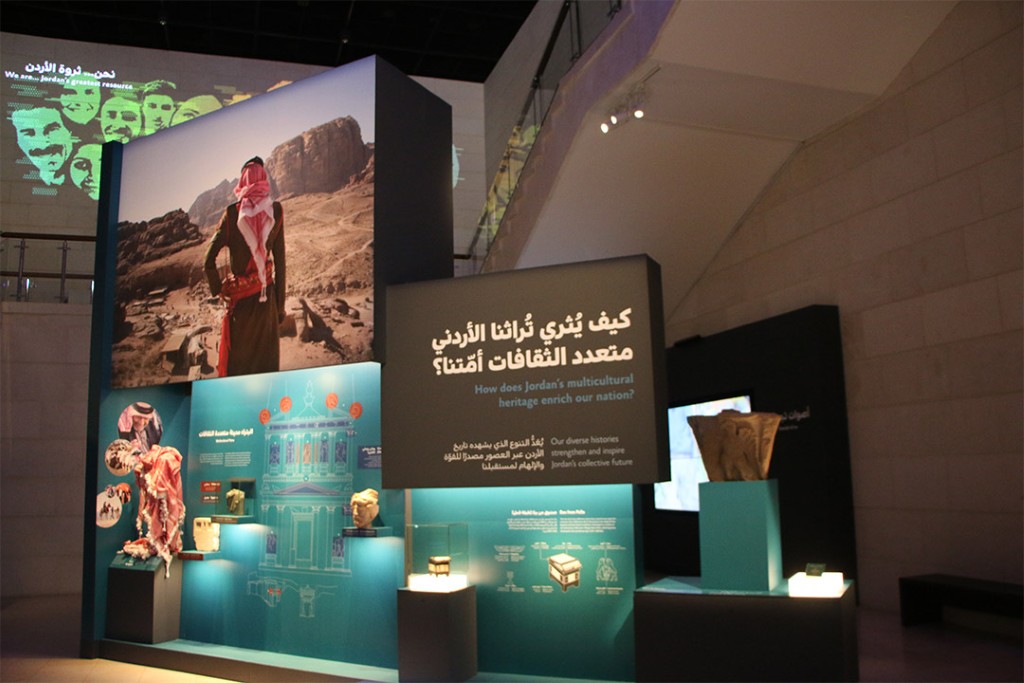
Located in the Ras Al-Ain district, close to Al Balad, the Jordan Museum serves as the national repository for Jordan’s historical and archaeological treasures.
Exhibits are arranged chronologically, guiding visitors from prehistoric times through the Nabataean and Classical periods up to the modern era. Key collections include ancient plaster statues, rare manuscripts, and interactive displays detailing early regional innovations in engineering and agriculture.
Highlights:
- The ‘Ain Ghazal statues, among the oldest human figures ever crafted.
- Ancient Dead Sea Scrolls and historic artifacts from archaeological sites across Jordan.
- Modern, well-curated exhibits providing deep context for travel across the country.
Ready to Experience Jordan?
Amman is just the beginning of your adventure! Whether you’re planning an active hiking tour along the Jordan Trail, an e-bike ride through northern olive groves, or a guided cultural journey across the Kingdom, our local experts at Experience Jordan Adventures are here to design your trip.